Need tree removal in Middletown?
Request a callback to check provider availability, or send a request for an estimate. Share what the tree looks like and where it stands.
No obligation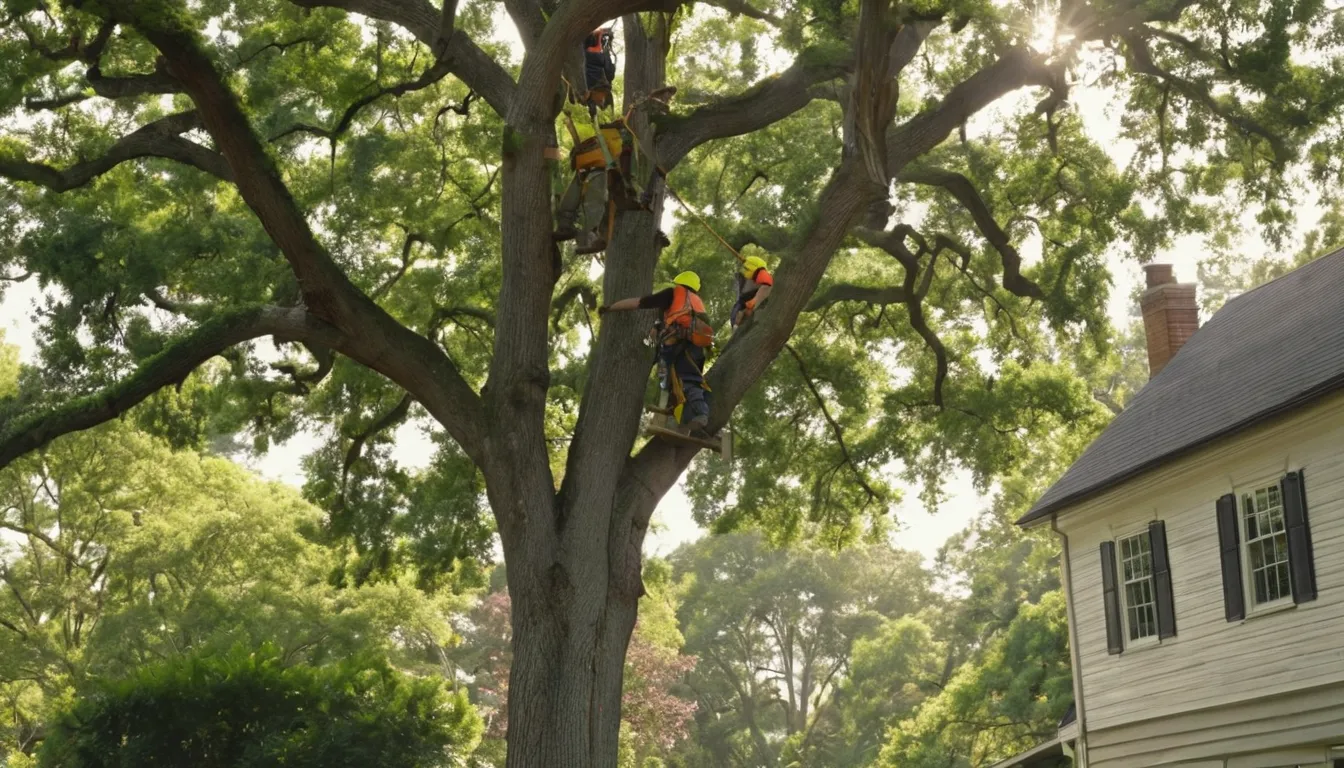
A tree that leans, cracks, or hangs over your roof is hard to ignore. Tree removal means a provider cuts the tree down safely, clears the wood, and leaves your yard ready to use. Channelstandard Tree Service does not cut trees. We connect you with independent local providers in our network.
You can call, ask your questions, and hear what each provider suggests. Then you compare written quotes at your own pace. Prices, methods, and schedules differ from one provider to the next. That is why comparing helps. There is no pressure and no obligation. Our goal is less searching and more clarity for homeowners across the Middletown area.
Start with a quick look. Is the tree leaning more than it did last year? Is a big limb hanging over your roof, car, or power line? Is the trunk split or cracked?
If you said yes, do not wait for the next storm. Keep people and cars away from the danger zone. Then Request a callback to check provider availability.
Some trees give clear warnings. Look for these:
One sign may not mean the tree must go. A provider can look and tell you.
Safety is the top reason. Others are simple. The tree blocks a new addition. Roots crack a driveway or press on a foundation. Leaves clog gutters every fall. Or the tree is just too big for the yard.
Our four seasons are hard on trees. Humid summers feed rot. Freeze and thaw in winter splits weak wood. Wet snow adds heavy weight.
"Tree falling" is the trade word for cutting a tree down. If the yard is open, a provider may drop it in one piece. This is called a straight fell.
Most home lots are tight. Colonial and split-level houses sit close to fences, wires, and neighbors. In that case, a provider takes the tree down in sections, top to bottom. Ask which method your provider plans to use.
The provider checks the tree, the ground, and what is nearby. They look for wires, roofs, and fences. Then they pick a safe plan.
Crews climb or use a lift. They cut the tree in pieces. Heavy pieces are often lowered on ropes, not dropped.
Branches go through a chipper. Logs are cut and hauled off, or left for you if you ask.
After a nor'easter or a heavy ice storm, a tree may land on a fence, yard, or driveway. Storm tree clearance means cutting and moving that fallen tree. It can be risky because wood under tension can snap.
Stay away from any tree touching a wire. Treat the wire as live. Then call your utility company. A provider can handle the tree once the wire is safe.
After the tree is gone, a stump remains. Stump grinding uses a machine to shred the stump below the ground. It is not always part of a removal quote, so ask.
Grinding stops regrowth and clears your yard for grass, a patio, or a new tree. Some homeowners skip it and keep the stump for now.
Tree size is the big factor. Taller and wider trees take longer. Access matters too. A tree behind a rowhouse, or near wires, costs more than one in an open yard.
Other things add cost: dead or rotten wood, hauling the logs, and stump grinding. Our cost table below shows typical U.S. ranges. Your real price will vary.
Get at least two written quotes if you can. Make sure each one lists the same work. Check these points:
Compare, then decide. A lower number is not a better deal if it leaves out cleanup.
Some towns protect large or older trees. Others ask for a permit before you cut, even on your own lot. A tree near a property line may be shared with a neighbor. Street trees often belong to the town.
Check with your local office first. Ask the provider what they know about your town's rules.
Ask about insurance, the cutting plan, and who will be on site. Ask for the quote in writing. Be careful with anyone who pushes you to sign on the spot. A good provider explains the job and gives you time.
Move cars out of the driveway and off the street if you can. Clear toys, grills, and patio furniture from the work area. Tell your neighbors. Keep pets inside.
If your basement or garage is near the tree, tell the provider. They may want to protect that side.
Walk the yard with the provider. Check that the wood and chips are gone, or stacked where you asked. Look at your fence, roof, and lawn.
Fill low spots left by roots. Plan what to plant next. Pick a tree that fits the space.
You do not need to decide today. Request a callback to check provider availability, or send a request. Then compare what you hear. No pressure, no obligation.
A provider cuts the full tree down, from the top branches to the trunk, and clears the work area.
Tight lots call for cutting in pieces, so each piece is lowered with care over roofs and fences.
Ask whether the quote covers chipping branches, hauling logs, and raking up so your yard looks clean.
A grinder shreds the stump below ground. Providers often list this as an extra, so ask about it.
Prices change with tree size, access, and condition. These are typical U.S. ranges only. Always get a written quote that lists exactly what the provider will do and what is extra.
| Job | Typical range | Notes |
|---|---|---|
| Small tree (under 30 ft) | $200 – $600 | Easy access keeps the price lower |
| Medium tree (30–60 ft) | $500 – $1,500 | Most common backyard job |
| Large tree (over 60 ft) | $1,200 – $3,000+ | Takes more time and gear |
| Tree near wires or a roof | $1,500 – $4,000 | Extra care and tools needed |
| Stump grinding | $100 – $400 | Price depends on stump width |
| Haul-away and cleanup | $75 – $300 | Sometimes already in the quote |
Request a callback or send a short request that tells us about your tree and what worries you.
A local provider in our network asks a few questions and may set a time to look.
Line up the quotes side by side. Check size, cleanup, stump work, and price.
Pick the provider and plan that feel right to you, or take more time.
Get more than one written quote and choose the plan that fits your tree and budget.
One request reaches independent local providers, so you skip hours of looking.
Ask questions and take your time. There is no obligation to hire anyone.
We explain trade words in short, simple terms so you can decide with confidence.
Request a callback to check provider availability, or send a request for an estimate. Share what the tree looks like and where it stands.
No obligationMost homeowners see a wide range. A small tree may cost a few hundred dollars, while a large tree near a house can reach several thousand. Size, access, and cleanup all matter, so get a written quote.
It depends on your town. Some places protect large or older trees, and street trees often belong to the town. Check with your local office first, and ask the provider what they know.
Some policies may cover a tree that suddenly falls on your home. Many do not cover removal of a healthy tree. Check your policy, and ask providers to help document damage for a claim.
Request a callback to check provider availability, or send a request for an estimate. Share what the tree looks like and where it stands.
No obligation